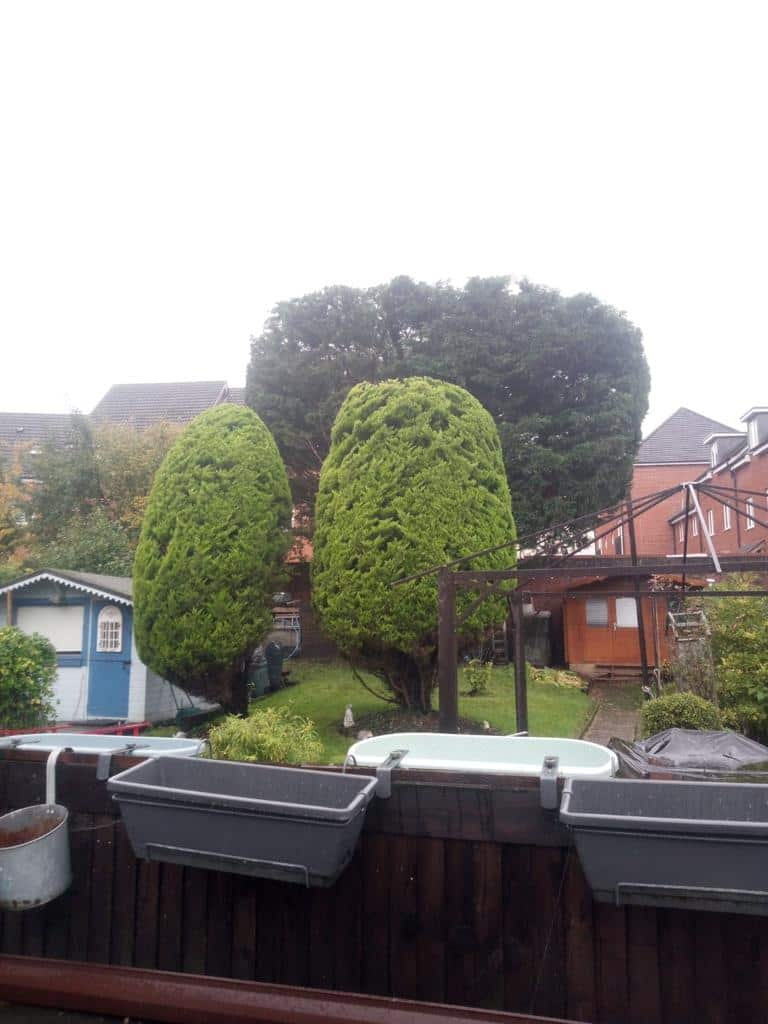
A leaning tree can be alarming for any property owner. While some trees naturally grow at an angle without posing a risk, others may be leaning due to structural weakness, root damage, or soil movement. In Fareham, Hampshire, where changing weather conditions can affect ground stability, it is important to assess whether a leaning tree can be safely stabilised or whether felling is the more responsible solution.
At LM Tree Surgery Fareham, each leaning tree is carefully evaluated to determine the safest and most appropriate course of action.
Why Trees Begin to Lean
Trees may lean for several reasons. Some species naturally grow towards light, resulting in a gradual, balanced lean that remains stable for many years. In other cases, leaning develops suddenly due to strong winds, waterlogged soil, root disturbance, or decay.
The cause of the lean is one of the most important factors in deciding whether the tree can be stabilised.
When Stabilisation May Be Possible
If the root system remains largely intact and the lean is minor or long-standing, stabilisation may be an option. Professional methods such as supportive bracing or selective crown reduction can help reduce stress on the trunk and roots.
In some cases, improving soil conditions around the base of the tree can also support recovery and encourage stronger anchorage.
Signs That Felling May Be Necessary
Felling is often recommended when a tree has significant root failure, extensive decay at the base, or a sudden, severe lean. If the root plate has lifted from the ground or the soil has visibly shifted, the tree’s structural stability may be compromised.
Trees leaning towards buildings, roads, or frequently used areas also present higher risk, especially if their condition is deteriorating.
The Importance of Professional Assessment
Determining whether to stabilise or fell a leaning tree requires experience and technical knowledge. Visual appearance alone does not provide a complete picture of internal structure or root health.
A professional tree surgeon will assess factors such as trunk integrity, root anchorage, soil condition, and canopy weight before making a recommendation.
Managing Risk in Residential Areas
In residential areas of Fareham, Hampshire, leaning trees must be considered in relation to nearby properties, vehicles, and pedestrian areas. Even a moderately leaning tree can pose a risk if positioned close to structures.
Careful evaluation ensures that decisions prioritise safety while preserving healthy trees wherever possible.
Long-Term Considerations
Stabilising a tree may extend its lifespan, but ongoing monitoring is often required to ensure continued safety. Where long-term stability cannot be confidently achieved, controlled felling may be the most responsible solution.
Professional guidance helps property owners make informed decisions that balance preservation with safety.
Conclusion
A leaning tree does not automatically require removal. Some trees can be stabilised successfully, while others may need to be felled to prevent future risk. The key is understanding the cause of the lean and the condition of the tree’s structure and roots.
For homeowners in Fareham, Hampshire, LM Tree Surgery Fareham provides expert assessment and professional tree surgery services tailored to each situation. If you are concerned about a leaning tree on your property, our experienced team is ready to provide clear advice and safe, reliable solutions.
Call us on: 01329 759 693
Click here to find out more about LM Tree Surgery Fareham
Click here to complete our contact form and see how we can help with your tree needs.